
The Social Dilemma reflection

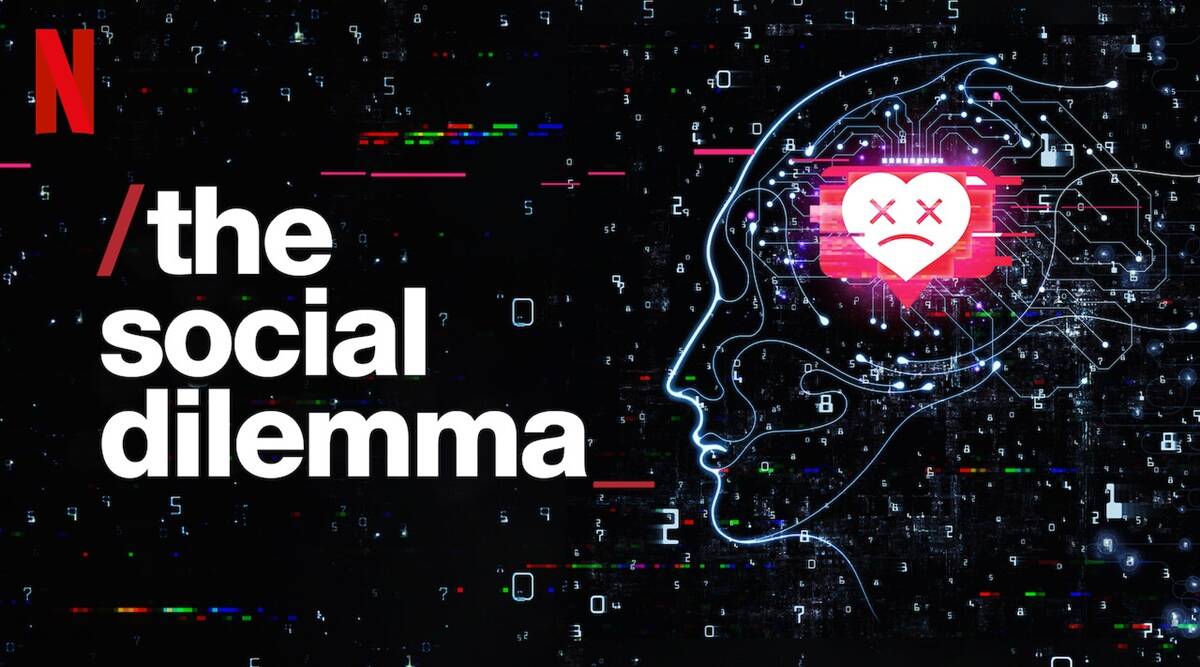
 One of the biggest influences in the modern world is social media. Everyone knows what everyone else is doing at almost all times. The Social Dilemma steps up and tackles this issue head on. It may not be the most thrilling documentary, but it is certainly one of the most impactful when it comes to modern day relevance.

 The Social Dilemma does have a fictional story aspect to it; however, it is not its strongest part. The scenes can come off slightly cheesy, but they do have function in that they illustrate the impacts of social media and data tracking.

Where this documentary shines is in its boldness. They talk to engineers and marketers from all major social media platforms and get valuable information. Although the film may develop too strong of a voice to where it becomes preachy, I have certainly become much more aware of my social media presence its voice is certainly heard.

Comments

Popular posts from this blog

Jaws reflection

 When it comes to suspense, there is no more iconic film than Jaws. The shark themed thriller uses a wide variety of tactics from sound and music to cinematography that would make most anyone sweat in their seat.  Who wouldn't be able to recall the famous heart pounding bass and cello that is the Jaws theme. It is such an iconic rhythm and for good reason. When it appears in the film its hard not to get excited. Pair that with switching point a view between Jaws and their victim, and you have a perfect formula for thill. One of the most creative parts of Jaws is how they picture the legendary man-eater, in that they don't. With this film being developed in 1975, there would really be no way of showing Jaws without it looking cheesy and, in all honesty, it does not hold up well. However, showing the shark isn't largely necessary. Reflecting reality, what makes sharks so scary to people is that you really don't know where they are. The film makes it so you're on edge ...

The Cabinet of Dr. Caligari Reflection

 The film "Das Cabinet des Dr. Caligari" is an extremely creative work of art. Since it was created in the 1920's they were very limited in the effects and camera work they could use. In order to get around this they used full theater sets to film on. Some of which seemed to be massive (the chase scene over the bridge had impressive scale to be done on an indoor set). Another thing they did very well was use color filters over the camera lenses. Of course, this would just turn the entire scene that certain color. However, they did it in a way that seemed as natural as it could. Such as, showing a differential between day and night or instill emotion into a scene. On the surface the acting in the movie seems somewhat cheesy. But the reason it seemed this way to me at first was because I was comparing it to modern acting. This was a time without any sound or dialog to film. All the characters had to directly relay their messages to viewers were brief pop-up dialog slides. S...

Lost in Translation Reflection

 Sofia Coppola's rom com "Lost in Translation" takes on a melancholy theme to the genre. It uses changes of tempo and character contrast to build a large part of this theme. While not overly hilarious it does have its charming moments both in mix ups fitting in with Harris attempting to fit into Japanese culture and interactions with Charolotte.      As alluded to before, Lost in Translation is designed to be slower film. I believe that this largely plays to the pieces advantage. Harris is supposed to be going through a midlife crisis and has no idea what he wants to do with his life. While this may lead some to completely blow up in panic, Harris goes the other route and lulls out of caring. Meaning the slowness of the plot adds to the dullness Harris is feeling in his life. Of course, this begins to change when he meets Charlotte, but all the same their love is more romantic friendliness than overly passionate which ties easi...